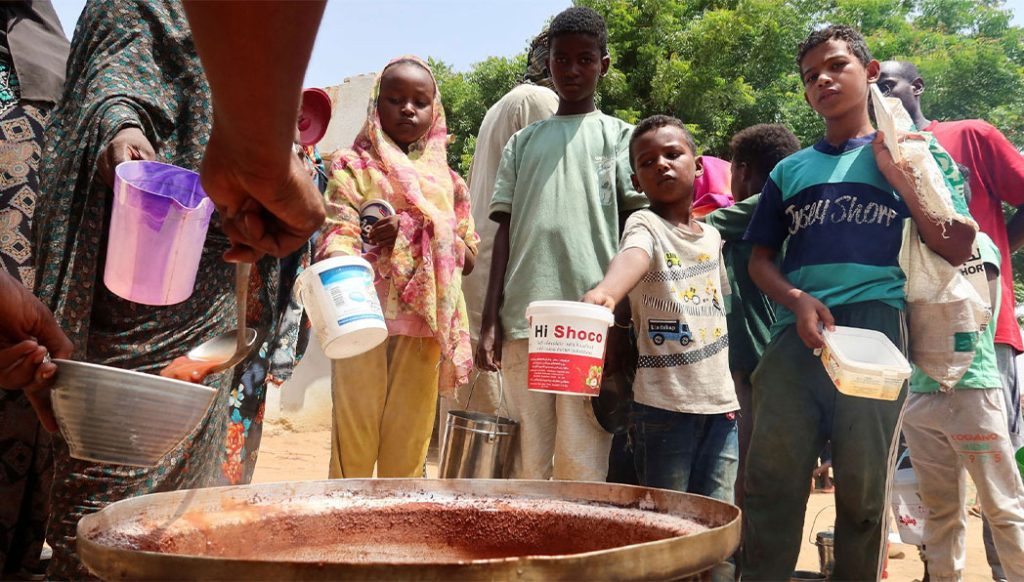
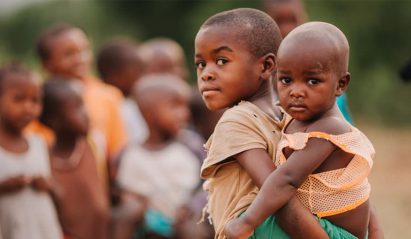
In the heart of Accra, Ghana, lives a resilient community of blind individuals facing severe hardship. Preventable blindness has shaped their lives, forcing many families into desperate circumstances. Children often become guides and providers for their parents, resorting to begging simply to survive. Clean water, education, and healthcare remain distant dreams.
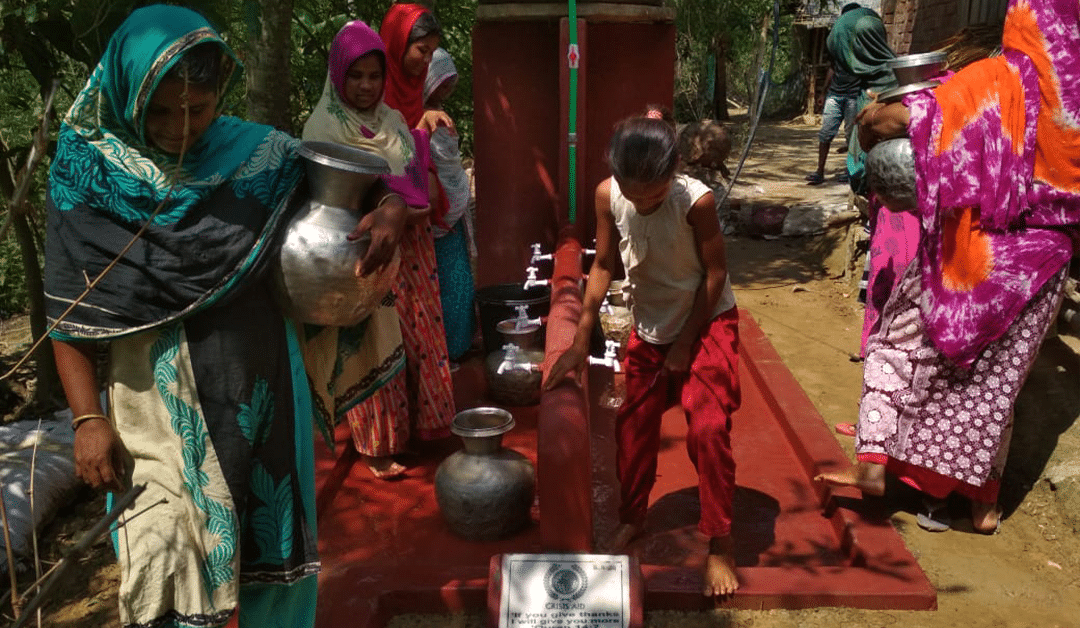
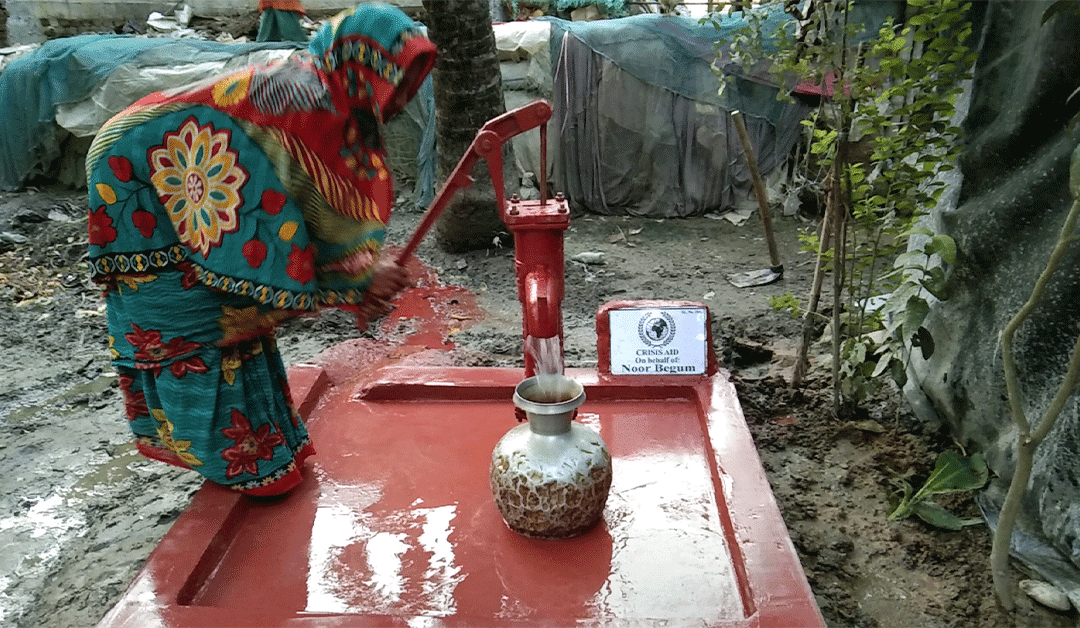
Imagine a life where even the sanctuary of prayer is shadowed by scarcity. Where wudu — the cleansing before salah — becomes a painful reminder of what is missing. Families live in fragile wooden huts with tin roofs, exposed to harsh weather. The absence of toilets and the lack of drinking water make daily life, hygiene, and worship an ongoing struggle. Yet, despite these trials, their faith remains unshaken.
In the dimness of their surroundings, they gather in dhikr of Allah, holding firmly to hope. As the Qur’an reminds us:
“The example of those who spend their wealth in the way of Allah is like a seed… and Allah multiplies [His reward] for whom He wills.” (Qur’an 2:261)
Poverty extends even beyond life itself. Deceased Muslims remain unclaimed in hospitals because families cannot afford release fees, leaving loved ones without dignity in death. The sick suffer silently, unable to access treatment, while families huddle together in cramped tin rooms with little protection or comfort.
How can we remain idle while our brothers and sisters endure such hardship? The Prophet Muhammad ﷺ said:
“The believer’s shade on the Day of Resurrection will be his charity.”
With Allah’s grace and your support, we have begun rebuilding homes to provide refuge, but this is only the beginning. We envision a future where preventable blindness is treated, children are educated, poverty is broken, and a mosque stands as a beacon of faith and hope.
Let us answer their prayers with action. Give for the sake of Allah, restore dignity, and transform lives through your charity.